Reliable Residential HVAC logoReliable Residential HVAC
Central Air Conditioning Repair · Kansas City, MO

HVAC

Finding reliable HVAC Kansas City homeowners can depend on means getting practical, honest equipment diagnostics without aggressive sales pitches when Midwest weather turns severe. Our team delivers dependable heating and cooling relief across Jackson County, restoring indoor comfort whether an outdoor condenser fails during a humid July stretch or a furnace stops igniting during a sub-zero January freeze.

Talk to a real Kansas City pro

No forms — call now for a fast, no-pressure quote.

📞 Call (816) 888-3959
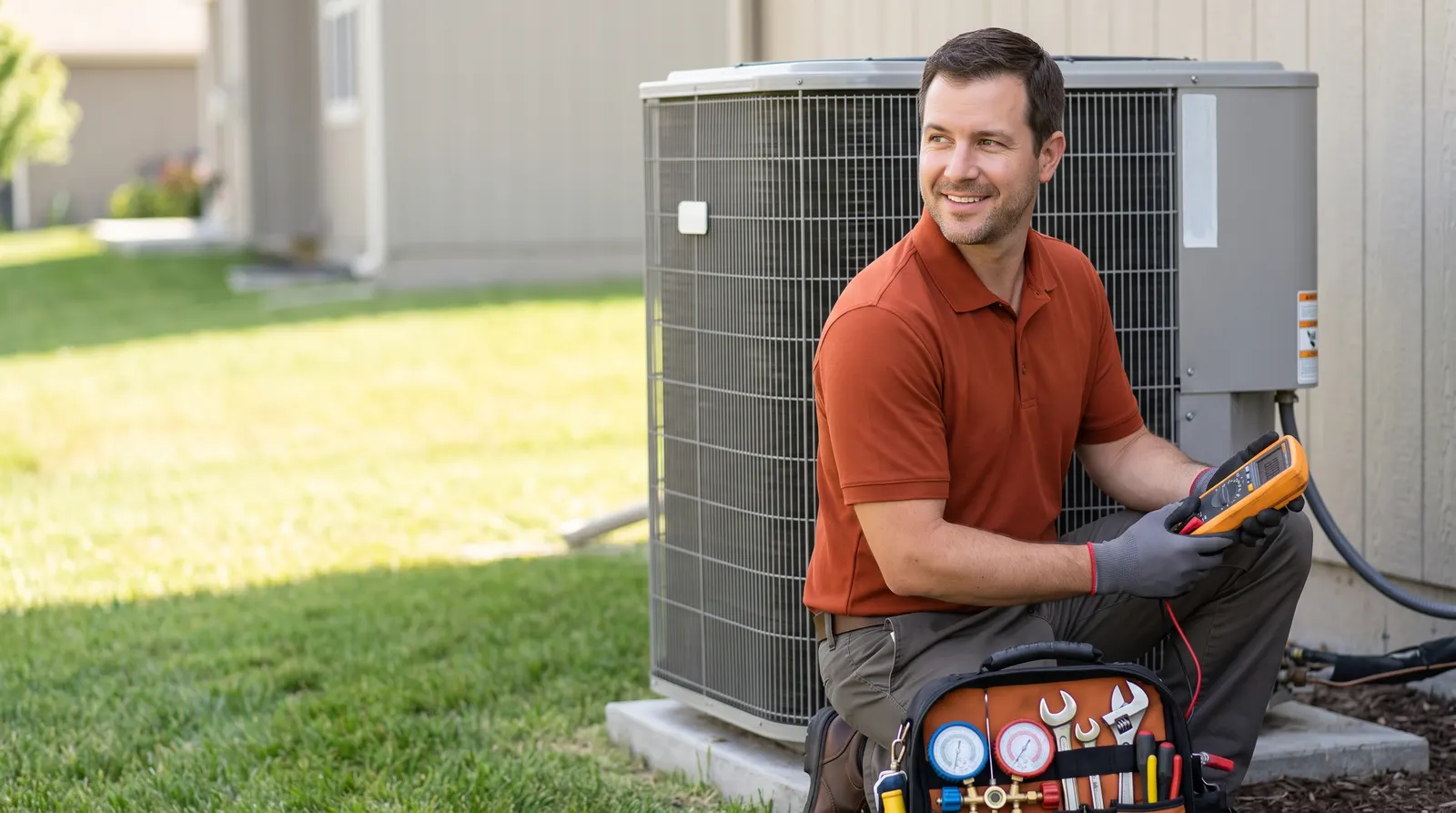
Central Air Conditioning RepairFurnace Repair and DiagnosticsHeat Pump Installation and Service
HVAC in Kansas City, MO
Central Air Conditioning Repairin Kansas City, MO

How much does HVAC service cost in Kansas City?

HVAC in Kansas City is a professional mechanical climate service that inspects, repairs, maintains, and installs heating, ventilation, and air conditioning systems across residential and light commercial properties.

Why Kansas City homeowners choose Reliable Residential HVAC

  • HVAC service visits and diagnostic assessments in Kansas City start at the $300 minimum on-site rate prior to component repairs or replacement parts.
  • Late May through July marks the peak surge for emergency AC repairs and replacements, requiring 24-48 hour booking buffers.
  • December through February brings high demand for furnace diagnostics and heating restorations during deep cold fronts.
  • March through April and September through October represent ideal shoulder seasons for scheduled system replacements with short scheduling lead times.
Central Air Conditioning Repair
Furnace Repair and Diagnostics
Heat Pump Installation and Service
Our Expertise

Crafted with Precision

Every service reflects the same meticulous attention to detail — whether it's a single job or a larger hvac project across Kansas City.
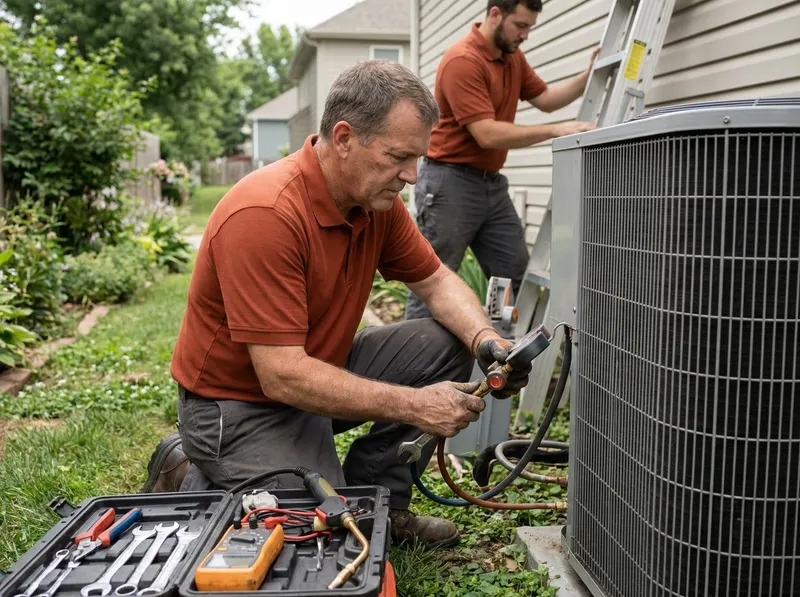
Central Air Conditioning Repair in Kansas City, MO

Central Air Conditioning Repair

Central air conditioning repair restores cooling performance across split-system condenser units and indoor evaporator coils when home temperatures rise during hot Missouri summers. Technicians inspect high and low refrigerant lines using calibrated manifold digital gauges, identify physical leaks using electronic sniffing probes, and test electrical run capacitors for capacitance drift. Service calls address contactor pitting, seized condenser fan motors, thermal expansion valve blockages, and clogged primary drain pans. Diagnostic workflows isolate electrical failures from mechanical refrigeration restrictions, ensuring homeowners receive practical component fixes like relay replacements or coil cleanings before considering complete equipment retirements. Technicians also evaluate secondary drain switches to prevent water damage in ceiling plenums and basement floors.

View details →
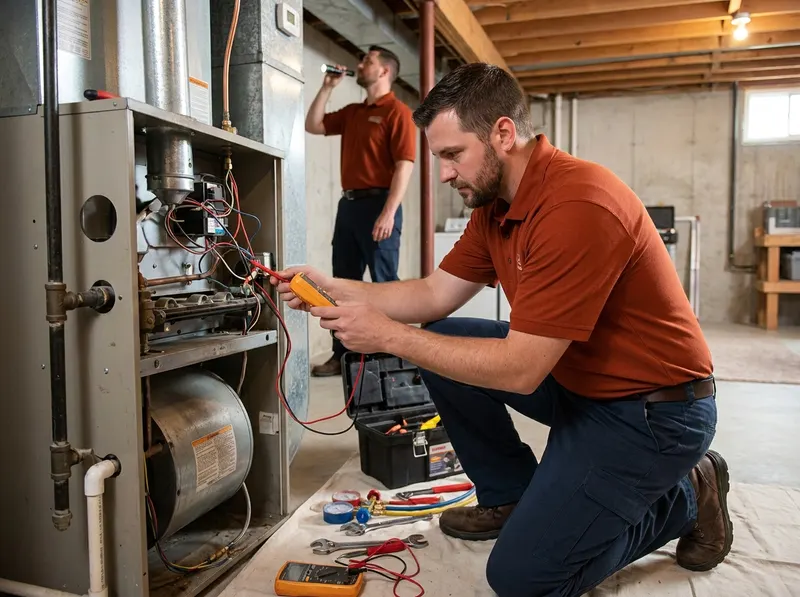
Furnace Repair and Diagnostics in Kansas City, MO

Furnace Repair and Diagnostics

Furnace repair addresses mechanical and combustion failures across natural gas, propane, and electric heating systems during freezing Jackson County winter months. Diagnostic procedures cover electrical continuity testing across safety control boards, microamp flame rectification sensor cleaning, hot surface ignitor resistance checks, and draft inducer motor draw assessments. Technicians clear blocked condensate traps on high-efficiency condensing furnaces, replace failing pressure switches, and verify burner orifice clear paths. Every heating repair incorporates a thorough visual and optical camera inspection of the primary and secondary heat exchangers to identify micro-cracks, metal fatigue, and carbon rollout risks before signing off on safe burner operation.

View details →
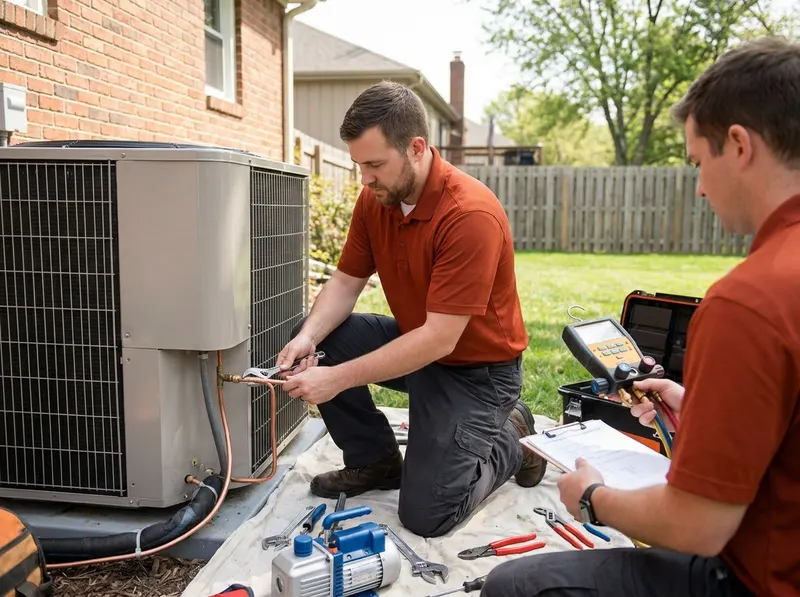
Heat Pump Installation and Service in Kansas City, MO

Heat Pump Installation and Service

Heat pump services provide comprehensive maintenance, mechanical troubleshooting, and new equipment sizing for dual-fuel and all-electric thermal transfer systems. Technicians diagnose four-way reversing valve sticking, troubleshoot electronic defrost control boards, verify outdoor ambient thermistor accuracy, and test electric auxiliary resistance heat strips. When installing modern variable-speed inverter heat pumps, technicians match outdoor condensing units with variable-speed air handlers to achieve precise humidity extraction during muggy summer days while maintaining steady heating down to low outdoor temperatures. Work includes setting correct staging balances on digital thermostats to prevent unnecessary activation of expensive supplemental heat strips during mild winter cold snaps.

View details →
Ductless Mini-Split Installation in Kansas City, MO

Ductless Mini-Split Installation

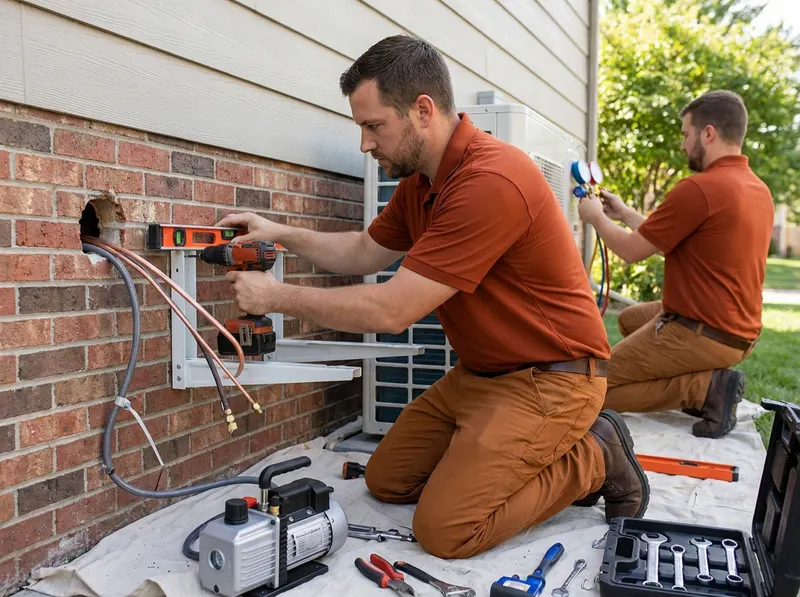
Ductless mini-split installation delivers zoned heating and cooling to specific living areas, home additions, finished basements, and historic homes lacking duct distribution. Technicians run dedicated high-pressure refrigerant line sets, condensate drain lines, and communication wiring through small three-inch exterior wall penetrations to connect outdoor multi-zone inverter compressors with indoor wall-mounted, floor-mounted, or ceiling cassette air handlers. System configurations allow independent temperature management in individual rooms, eliminating thermal waste in unused areas of the home. Technicians pull deep vacuum evacuations below 500 microns on all flare connections to guarantee airtight refrigerant seals and longevity for sensitive electronic inverter boards.

View details →
Boiler Maintenance and Repair in Kansas City, MO

Boiler Maintenance and Repair

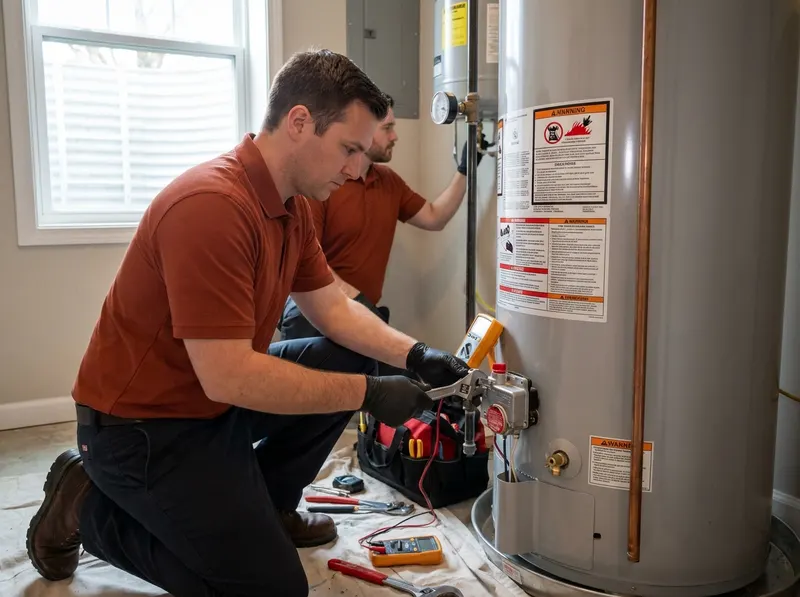
Boiler repair and scheduled hydronic maintenance support residential closed-loop hot-water heating systems, cast-iron radiators, and baseboard convectors across older Kansas City neighborhoods. Service includes testing aquastat high-limit controls, troubleshooting multi-zone circulator pumps, replacing leaking automatic air vents, and purging air pockets from hydronic radiator loops. Technicians inspect diaphragm expansion tanks for waterlogging, test ASME pressure relief valves for proper seating, and clear mineral scale from heat exchanger waterways to prevent localized boiler boiling noises. Routine maintenance checks burner combustion efficiency, inspects gas train safety shutoffs, and tests backflow preventers to keep closed hydronic loops operating at correct system pressures.

View details →
HVAC System Replacement in Kansas City, MO

HVAC System Replacement

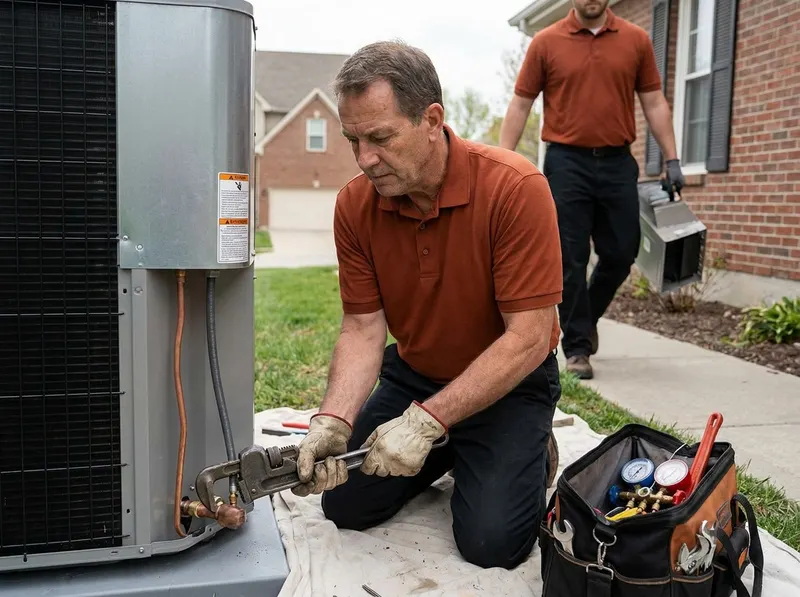
HVAC system replacement entails complete retrofits of matched outdoor condensing units, indoor evaporator cased coils, and high-efficiency gas furnaces or air handlers. Installations begin with rigorous Manual J residential load calculations that account for building envelope insulation, window orientations, ceiling heights, and air leakage rates to determine precise tonnage and BTU capacity requirements. Crews modify sheet-metal supply plenums, install direct-vent PVC intake and exhaust piping for 90%+ AFUE appliances, rebuild electrical disconnects, and mount vibration isolation pads. Systems are commissioned using manufacturer-specified refrigerant subcooling and superheat charging charts to ensure optimal energy efficiency and long-term mechanical reliability.

View details →
Seasonal HVAC Tune-Up and Inspection in Kansas City, MO

Seasonal HVAC Tune-Up and Inspection

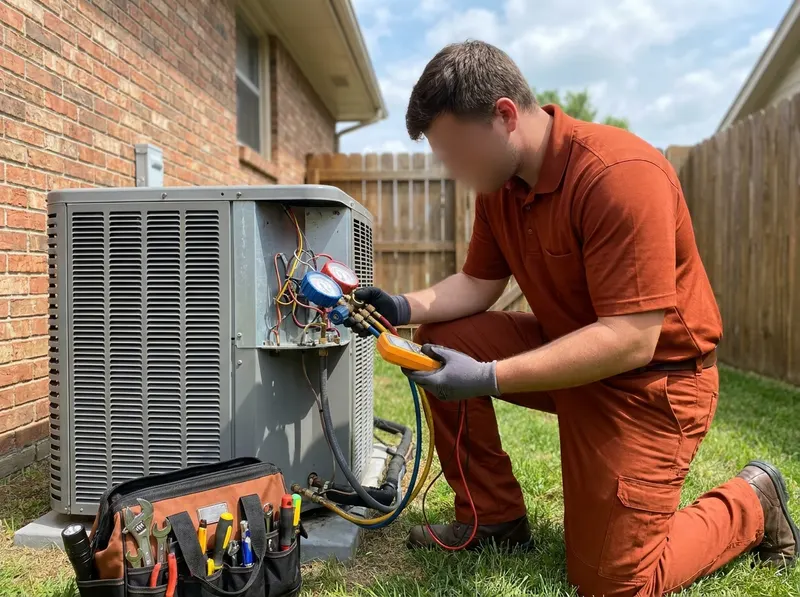
Seasonal HVAC tune-ups deliver systematic preventative maintenance to safeguard mechanical components against sudden mid-season failures and rising utility bills. Spring cooling inspections include non-acid chemical foam washing of outdoor aluminum condenser fins, clearing biological growth from condensate P-traps, measuring compressor running amp draws, and verifying correct blower motor static pressures. Autumn heating tune-ups focus on cleaning flame sensor rods, testing flue draft static pressures, checking manifold gas pressures with digital manometers, lubricating motor bearings, and inspecting carbon monoxide detector proximity. Technicians document exact operating parameters to track system wear patterns over time.

View details →
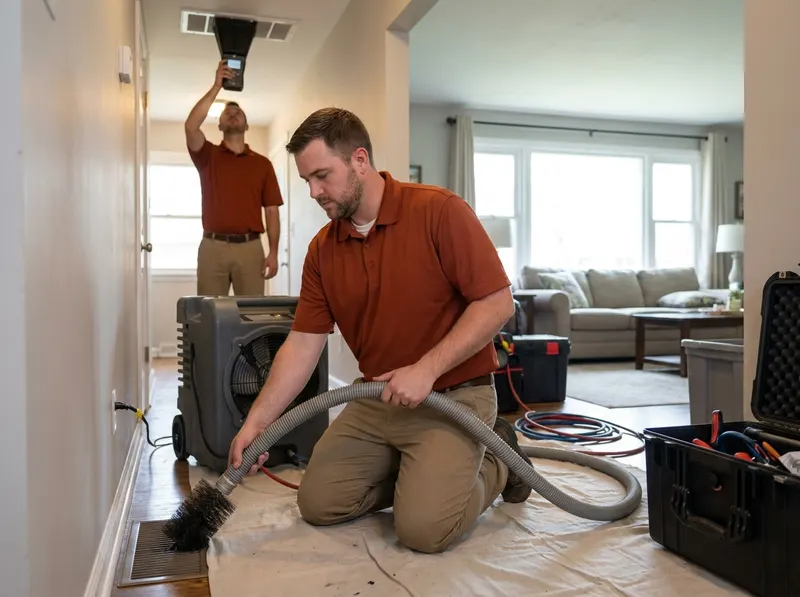
Air Duct Cleaning and Airflow Balancing in Kansas City, MO

Air Duct Cleaning and Airflow Balancing

Air duct cleaning and airflow balancing restore proper static air pressure and indoor air quality across residential ductwork networks. Service utilizes high-powered HEPA negative-air extraction vacuums combined with rotating agitation whips to dislodge settled particulate matter, pet dander, drywall dust, and debris from supply and return trunk lines. Following duct cleaning, technicians measure cubic feet per minute airflow across individual supply registers using calibrated flow hoods. Technicians adjust manual branch volume dampers and recommend return duct modifications to eliminate persistent hot and cold spots between upper floor bedrooms and ground-level living spaces.

View details →

HVAC in Kansas City is a professional mechanical climate service that inspects, repairs, maintains, and installs heating, ventilation, and air conditioning systems across residential and light commercial properties.

  • HVAC service visits and diagnostic assessments in Kansas City start at the $300 minimum on-site rate prior to component repairs or replacement parts.
  • Late May through July marks the peak surge for emergency AC repairs and replacements, requiring 24-48 hour booking buffers.
  • December through February brings high demand for furnace diagnostics and heating restorations during deep cold fronts.
  • March through April and September through October represent ideal shoulder seasons for scheduled system replacements with short scheduling lead times.
  • Technicians evaluate electrical connections, refrigerant pressures, and heat exchangers to prioritize direct mechanical repairs over forced system replacements.
The Reliable Residential HVAC standard

Why Kansas City keeps calling us back

01

A clear, written price

You get a firm, itemized quote for your hvac before any work begins — no surprises, no pressure.

02

Your property, protected

Careful prep, tidy work, and a full cleanup when we are done. We treat your home and belongings like our own.

03

One crew, start to finish

The same trusted, background-checked team from the first call to the final check.

Buyer's guide

How to choose the right pro

If your heating or cooling system is under ten years old and experiences an unexpected mechanical shutdown, choose targeted component repair. Replacing failed contactors, dual run capacitors, draft inducer motors, or hot surface ignitors restores immediate operational reliability without the capital expense of an equipment changeout. If your cooling unit is over twelve years old, operates on phased-out R-22 refrigerant, or has suffered a locked compressor rotor, choose a full split-system replacement. The trade-off is a larger initial investment versus substantially lower monthly electric utility costs and the elimination of recurring emergency diagnostic visits. If your residence is a historic property without existing ductwork—frequently seen throughout Brookside, West Plaza, and Hyde Park—choose a multi-zone ductless mini-split installation. If your home features existing sheet-metal supply trunks and a traditional basement utility footprint, such as properties in Armour Hills, Waldo, or Red Bridge, choose a standard matched central air conditioner and gas furnace combination. The trade-off centers on lower baseline installation costs for central split setups versus the individualized room-by-room thermal control and duct-loss elimination offered by multi-head ductless configurations.

Investment

What it costs

Every project gets a firm, written price after a free on-site visit. Ranges below for orientation.

Comprehensive Diagnostic & Seasonal Tune-Up$300 - $450
Furnace Ignitor, Flame Sensor, or Thermocouple Repair$300 - $600
AC Contactor, Dual Run Capacitor, or Hard Start Kit$300 - $650
Condensate Drain Line Flush & P-Trap Rebuild$300 - $550
Blower Motor or Draft Inducer Assembly Replacement$550 - $1,250
Thermostat Rewiring & Smart Control Commissioning$300 - $550
Evaporator Coil Deep Cleaning & Chemical Sanitization$350 - $700
Ductless Mini-Split Deep Cleaning & Pressure Service$350 - $600
Boiler Circulator Pump or Zone Valve Replacement$450 - $950
Refrigerant Leak Detection & System Pressure Test$350 - $750
Full-System Ductwork Cleaning & Sanitization$450 - $850
Whole-Home Humidifier Installation or Core Rebuild$400 - $900
Complete HVAC Split System Replacement$4,800 - $11,500
Multi-Zone Ductless Mini-Split Installation$5,200 - $14,000
Free, no-pressure estimate

Ready to get it done right?

Tell us about your hvac job and we'll send a clear, written quote — usually the same day. Or just call and talk to a real Kansas City pro.

(816) 888-3959
Where we work

Areas we cover

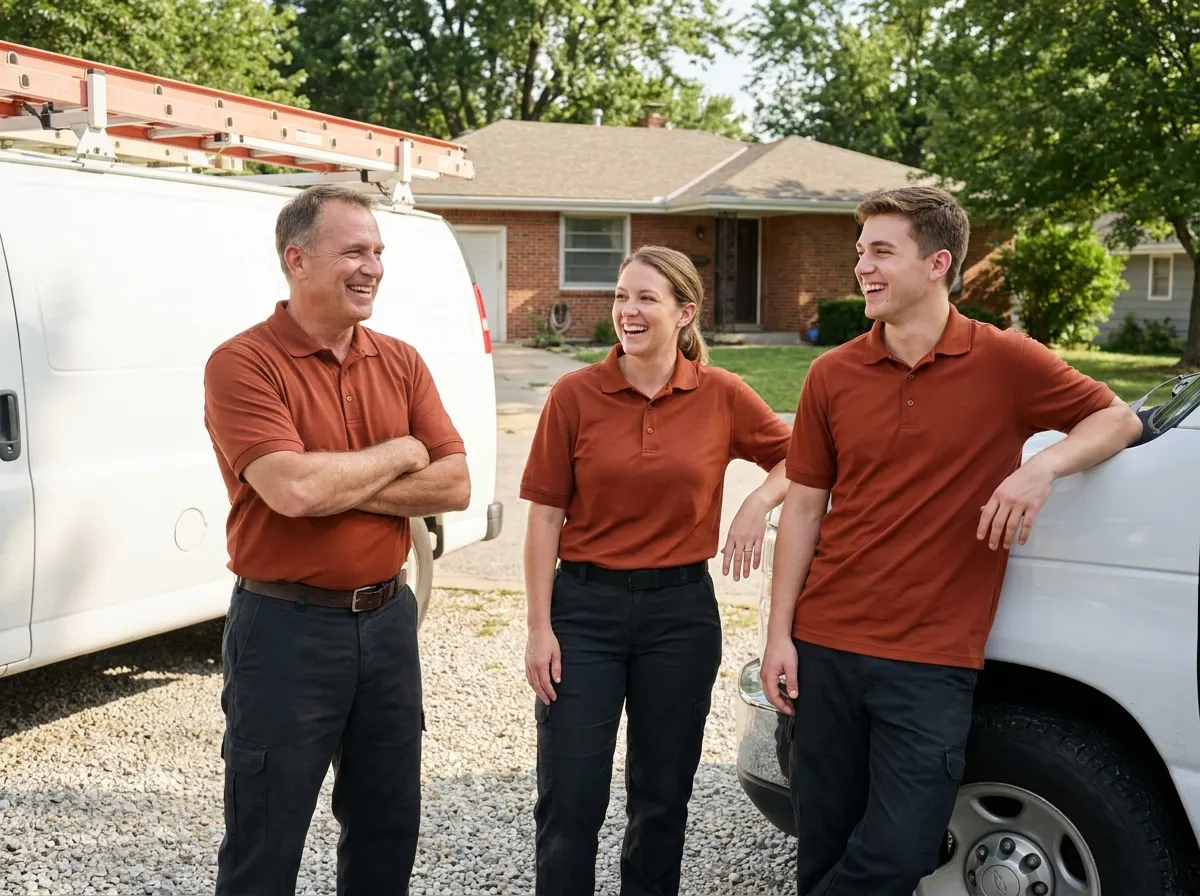
Reliable Residential HVAC hvac team in Kansas City, MO

Kansas City weather presents severe operational challenges for climate equipment, moving from humid 95-degree summer afternoons influenced by the Missouri River basin to sub-zero winter fronts driven by Arctic air masses moving down the central plains. Homes situated near historic landmarks like The Nelson-Atkins Museum of Art, Union Station Kansas City, and the National WWI Museum and Memorial frequently feature stone foundations, structural brick, original lath-and-plaster walls, and compact basement utility layouts that require specialized sheet-metal transitions and multi-stage equipment. From the river bluffs near River Market and the urban lofts of the Crossroads Arts District down past Country Club Plaza, Swope Park, and Red Bridge, residential HVAC systems face high static pressures and continuous seasonal cycling. Our diagnostic protocols account for Jackson County summer humidity surges that overwhelm undersized condensate lines, as well as winter freeze-thaw cycles along major transit corridors like Interstate 35 and Highway 71 that demand dependable burner ignition and safe flue gas venting across all neighborhood housing styles.

BrooksideWaldoCountry Club PlazaWestportRiver MarketCrossroads Arts DistrictHyde ParkWest PlazaArmour HillsRed Bridge
Questions

Common questions

How much does a standard HVAC diagnostic visit cost in Kansas City?
A standard on-site HVAC diagnostic visit in Kansas City starts at our $300 minimum service threshold, which covers comprehensive system testing, electrical checks, and troubleshooting by a qualified technician before any repair work begins. The technician performs a complete electrical safety test, measures static pressure levels, inspects safety controls, and assesses mechanical component draw to pinpoint the root cause of equipment failure. Once the exact issue is isolated, you receive a transparent, itemized written estimate for required parts and labor, eliminating guesswork or hidden trip charges before repairs commence.
How often should Kansas City homeowners schedule HVAC maintenance?
Kansas City homeowners should schedule HVAC maintenance twice per year: once in early spring for cooling systems and once in early autumn for heating units. This schedule prepares equipment for intense summer humidity and deep winter freezes while catching minor mechanical wear early. Spring inspections focus on clearing outdoor condenser fins of cottonwood fuzz, flushing condensate lines, and testing capacitor ratings, while autumn tune-ups focus on heat exchanger safety, burner flame rectification, and gas pressure adjustments.
What size air conditioner or furnace does a Kansas City home require?
A Kansas City home typically requires 1 ton of cooling capacity per 500 to 700 square feet, but exact equipment sizing depends on insulation levels, ceiling height, duct integrity, and solar exposure. An on-site load calculation ensures your system manages both temperature and indoor humidity without short cycling. An oversized system cools air too quickly without removing moisture, resulting in clammy indoor air, while an undersized unit runs continuously during July heatwaves without reaching set thermostat temperatures.
Can older homes in historic Kansas City neighborhoods support modern HVAC equipment?
Older homes in neighborhoods like Hyde Park, Westport, and Brookside can support modern HVAC equipment through ductless mini-split systems, high-velocity small-duct systems, or retrofitted forced-air systems. These options deliver modern heating and cooling efficiency without destroying architectural details like crown molding or original plaster walls. Mini-split configurations allow zone-by-zone cooling and heating with compact refrigerant lines routed through interior partitions, preserving the exterior masonry and historic interior finishes.
How do summer humidity levels in Kansas City impact air conditioning performance?
High summer humidity in Kansas City forces your air conditioning system to remove latent moisture from indoor air before sensible room temperatures can drop. Systems with dirty coils, incorrect refrigerant charges, or oversized blowers struggle to dehumidify, leaving indoor air feeling clammy even when the thermostat setting is reached. Ensuring proper blower fan speeds, clean evaporator coils, and adequate coil dwell time allows your cooling system to condense and drain pints of water per hour, keeping indoor relative humidity in the comfortable 45% to 55% range.
What are the common signs that a furnace heat exchanger has cracked in a Kansas City home?
Common signs of a cracked heat exchanger include persistent soot buildup along burner doors, unusual chemical or formaldehyde odors during initial startup, yellow or flickering burner flames instead of crisp blue cones, and unexplained carbon monoxide detector activations. Other physical indicators include water pooling around the furnace base from condensation escaping secondary heat exchanger seams, and flame rollout switches tripping during ignition cycles. If you notice any of these warning signs, turn off your furnace immediately and schedule a professional combustion analysis and camera inspection.
Why is my air conditioner freezing up into an ice block during warm Kansas City weather?
An air conditioner freezes up into ice due to restricted indoor airflow or low refrigerant pressure within the evaporator coil tubing. Common airflow restrictions include heavily clogged 1-inch furnace filters, closed supply registers, crushed return flex ductwork, or a failing indoor blower motor. Low refrigerant levels caused by microscopic pinhole leaks cause the evaporator coil surface temperature to drop below 32 degrees Fahrenheit, causing airborne humidity to freeze instantly onto the coil fins and choke off air passage until the system shuts down.
What is the difference between a heat pump and a traditional air conditioner for Kansas City properties?
A traditional air conditioner operates solely as a cooling system by extracting heat from indoor air and rejecting it outdoors, relying on a separate gas or electric furnace for winter heating. A heat pump contains a reversing valve and specialized metering devices that allow the refrigeration cycle to run in reverse, absorbing ambient heat from outside air during cold months to heat your home. When paired with a natural gas furnace in a dual-fuel configuration, heat pumps provide cost-effective heating during mild fall and spring weather while the gas furnace handles deep winter freezes.
How can Kansas City homeowners prevent their HVAC condensate drain line from clogging?
Homeowners can prevent HVAC condensate line clogs by pouring a cup of distilled white vinegar down the indoor drain access T-pipe every two to three months during cooling season. This prevents algae, mold, and bacterial slime from establishing blockages inside the PVC drain trap. Installing a safety float switch inside the primary drain pan or secondary drain line is also recommended, as it automatically shuts off the air conditioning condenser if the drain line backs up, preventing ceiling drywall collapses and flooded basement utility rooms.
When is it better to repair an existing HVAC unit versus replacing it in Kansas City?
Repairing an existing HVAC unit is the better choice if the system is under ten years old, the cost of the repair is less than one-third the price of a replacement, and the system has maintained steady reliability. Full system replacement becomes the more economical long-term path if the unit is over twelve to fifteen years old, requires an obsolete refrigerant like R-22, has a cracked heat exchanger or burnt-out compressor, and frequently requires emergency service calls. Replacing older inefficient units also reduces peak electric utility bills during extreme summer weather.

Ready to get started?

Free estimates for Kansas City & the surrounding area.
Kansas City HVAC guides

How much does a new HVAC system cost in Kansas City? — Complete Guide →How Much Does AC Repair Cost in Kansas City MO — Complete Guide →Is same-day HVAC repair available in Kansas City? — Complete Guide →Heat Pump and AC Sizing for Kansas City Homes →